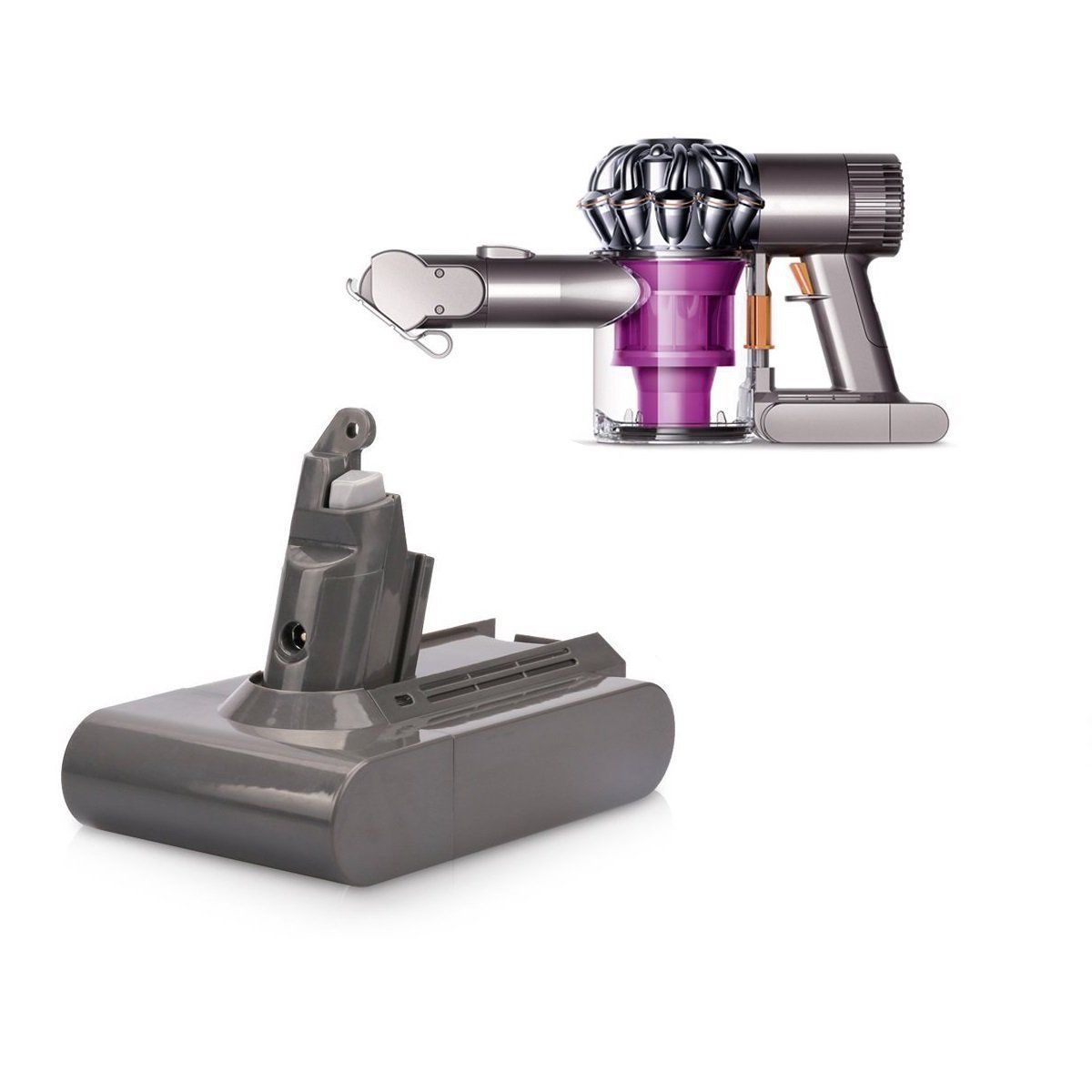
Dyson V6 replacement battery, 4.0 Ah build
AU $60.99AU $46.79
In Stock (delivery 3–7 days)
Open the V6 packFree Australia Post shipping on every Dyson vacuum battery · Sydney warehouse dispatch within 24 hours · 1 year warranty + 30 day money back
Updated October 2026
Two things kill a cordless Dyson pack: the cycles you use up and the calendar. Neither one is measured in minutes, and no honest guide can promise you a run time — aussiebatt.com publishes voltage, amp-hours, cell brand and price for every pack, and no minute figures at all. What we can tell you is how lithium ages, which five Australian habits age it fastest, the storage rule printed on our own listings, and how to decide whether your pack needs replacing or recycling.
Every watt-hour figure on this page is plain arithmetic from the published specification (volts multiplied by amp-hours), not a lab result. Nothing here is a measured run time.
A lithium-ion cell is rated for a few hundred full charge-discharge cycles before its usable capacity falls away noticeably. A "cycle" is a full use of the pack's capacity, not a plug-in: two half-drains add up to one cycle, and topping up a pack that is still half full costs you only a fraction of a cycle. That is why people who charge after every clean do not necessarily kill a pack any faster than people who run it flat weekly.
What does kill capacity is depth and heat. Draining to zero stresses the cells far more than a shallow top-up, and every degree above a comfortable room temperature speeds the chemistry that ages them. In practical household terms, a stick that is cleaned with once a week usually reaches the end of its useful life in a couple of years rather than a decade — and heavy MAX-mode use, a hot house or a dusty carpeted home brings that date forward.
Judge the pack by behaviour, not by the calendar. Age in years is a hint; the honest signal is a run time that has fallen against this machine's own history while the filter and airway are clean.
Cycles are only half the story. Lithium cells degrade while they sit, and the rate depends on how full they are and how hot they are kept. A pack stored fully charged in a hot place ages faster than one used weekly and stored cool at partial charge. That is why a second-hand Dyson bought "barely used" can still have a tired battery — the years did the work, not the vacuuming.
The other calendar effect is a pack that sits flat. Leave a lithium pack discharged for months and the protection circuitry can trip, or the cell voltage can drop to a point where a charger will legitimately refuse to push current into it. If a machine has been in a garage, a car boot or a rental property since the last clean, treat the pack as suspect before you treat the motor as faulty.
None of these are Dyson faults. They are the environment and the habits that make a good pack age early.
A pack left in a car on a summer day, on a north-facing windowsill, or in an unlined laundry sits well above the 15–25 °C range our own listings recommend for storage. Heat is the single fastest accelerator of calendar ageing.
See the storage ruleWaiting for the machine to die before docking it is the deepest discharge the pack sees. Do it weekly and you spend your cycle budget years early. Top up when the gauge is low rather than when the house is silent.
Extending run timeMAX draws far more current than ECO, so the pack works harder and hotter for every minute of it, and it empties in a fraction of the time — which means more charge cycles per month. Trigger-heavy cleaning on MAX is the fastest way to consume a warranty period.
V10 life tipsAustralian homes, pets and carpet move a lot of dust. A packed filter or blocked cyclone makes the motor and the pack work harder for the same result, and it produces cut-outs that look exactly like battery failure.
Care guideThink holiday houses, rentals, a machine kept in a cupboard for six months. Stored flat, a pack self-discharges into trouble; stored full and hot, it ages quietly. Neither is what the cells want.
Replace or recycleUse the charger matched to your pack voltage — 21.6 V for the DC58, DC59, DC61, V6, V7 and V8 group and 22.2 V for the DC31 to DC45 legacy handhelds. Charging on the wrong voltage can cook cells, and our warranty excludes damage from misuse or improper installation.
Charger pagesCapacity wear is best thought of as energy you no longer have. Multiply the published volts by the published amp-hours and you get the stored energy on board — labelled here as arithmetic on our own listings, not a bench test. It also tells you what a higher-capacity build of the same platform actually buys you.
| Platform and build | Voltage | Capacity | Energy (arithmetic) | Price on our listings |
|---|---|---|---|---|
| V6 (slide-in, 4.0 Ah build) | 21.6 V | 4.0 Ah | 86.4 Wh | AU $46.79 |
| SV03 / DC58 / DC61 / SV09 (3.0 Ah builds) | 21.6 V | 3.0 Ah | 64.8 Wh | AU $45.79 |
| V7 and V7 Animal (screw canister) | 21.6 V | 4.0 Ah | 86.4 Wh | AU $50.79 |
| V8 / SV10 | 21.6 V | 4.0 Ah | 86.4 Wh | AU $52.79 |
| V10 / SV12 (spec-block reading) | 25.2 V | 3.8 Ah | 95.8 Wh | AU $75.79 |
| V10 / SV12 (package-line reading, 4800 mAh) | 25.2 V | 4.8 Ah | 121.0 Wh | AU $75.79 |
| DC35 Type A legacy handheld | 22.2 V | 2.0 Ah | 44.4 Wh | AU $36.79 |
| DC45 and DC31 Animal legacy listings | 22.2 V | 3.0 Ah | 66.6 Wh | AU $61.44 / AU $66.40 |
Two honest caveats. Our V10 listing publishes 3.8 Ah in its specification block and 4800 mAh in its package-contents line, so both readings are shown — [CONFIRM which V10 pack you ship]. And no minutes are printed anywhere in this table: minutes depend on mode, floor type, filter condition and the motor, and [CONFIRM Dyson's published mode runtimes for your specific model on dyson.com.au before any minute figure is quoted here].
Swapping a 3.0 Ah slide-in build (64.8 Wh) for the 4.0 Ah build of the same platform (86.4 Wh) is a 33 % increase in stored energy, and it costs you roughly AU $1 of difference on our listings. Against a pack that has quietly lost a third of its capacity to age, that is the cheapest performance upgrade available for an older machine. It changes energy on board, not suction — the motor and filtration are untouched by the battery.
This is not folklore; it is printed on our own product pages. The V7 Animal listing states the storage advice we give every buyer: store at 40–50 % charge in a 15–25 °C environment. Full charge and heat are the combination that ages cells fastest, and a deeply discharged pack sitting for months is the other failure route. Somewhere in the middle, in the shade, is right.
Practical version: if the machine will not be used for a while — a rental between tenants, a holiday house, a trip away, a second vacuum in a cupboard — dock it, unclip it from a hot wall, and check it every couple of weeks. The reused guidance we follow from battery practice generally is to run a full cycle every two to three weeks if the machine is sitting idle, so the cells are exercised and the gauge stays honest. Do not freezer-store a pack; condensation and cold do more harm than the heat you are escaping.
And take the hint from the specification sheets: the V10 listing publishes charging at 0–45 °C and discharging at −20–60 °C. Charging is the temperature-sensitive half of the relationship, which is why a pack dragged in from a hot car may refuse to take a charge until it has sat inside for a while.
Never charge a pack that has been in a hot car, a sunroom or direct summer sunlight until it has returned to room temperature, and never charge one on a bed, sofa or curtain. A pack that comes out of the dock uncomfortably hot, swollen, discoloured or smelling acrid should not be charged again at all — take it to an Australian household-battery recycling drop-off instead.
Sometimes the cells are fine and the display is lying. A fuel gauge estimates state of charge by tracking current in and out, and after many shallow top-ups the estimate can drift, so the machine reads empty while charge remains, or reads full and then drops out mid-clean. Before you buy anything, run the calibration sequence once: charge to full, leave it on the charger for a further short while, run the machine until it stops on its own, then recharge to full without interrupting it.
If the run time after calibration matches the history you expect, the pack was never dying — you had a gauge problem, or a filter problem. If the run time is still short against that history, the pack is genuinely losing capacity and no reset will recover it.
One more check before you write a pack off: charge the machine on a different wall socket with a known-good charger of the correct voltage, and inspect the plug pins and the socket for corrosion. A high resistance connection reads as a battery fault far more often than people expect.
A lot of guides will tell you to decode a date from a serial number. On Dyson vacuum packs that is not something we can source or verify, so we are not going to print a recipe for it. [CONFIRM whether the label or batch code on a Dyson vacuum battery pack can be used to date the pack, and how — before publishing any decoding steps] What you can do is build an honest age estimate from records and physical evidence:
Age is a guess; behaviour is a measurement. If you cannot date the pack, stop trying and test it: clean airway, full charge, one honest clean, compare with what this machine used to do.
Two different questions, and people mix them up constantly. "Should I fit a new pack?" is an economics question about the machine. "What do I do with the old one?" is a safety and disposal question, and the answer is the same regardless of the first one.
| Your situation | Verdict | Why |
|---|---|---|
| Machine is otherwise good, run time has fallen against its own history, filter and airway are clean | Replace the pack | AU $36.79–AU $75.79 versus replacing a full machine; a 1 year warranty comes with the new pack. |
| Higher-capacity build exists on your platform and you want more energy | Replace with the larger build | 64.8 Wh to 86.4 Wh is 33 % more stored energy on the same 21.6 V slide-in platform, for around AU $1 more. |
| Short run time but a packed filter, full bin or blocked cyclone | Do not buy yet | Clean the airflow path first and retest. Blocked airflow imitates battery failure. |
| Pack swollen, hot, split, discoloured, waterlogged or smells burnt | Recycle the pack, replace with a new one | Do not charge it and do not puncture it. This is a fault, not wear, and it is a disposal item. |
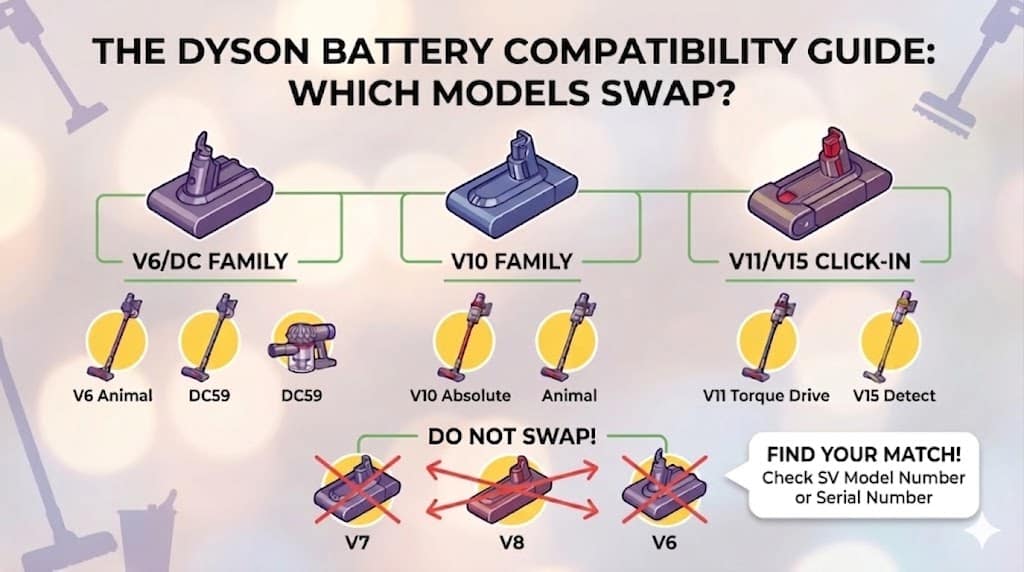
| Machine is a V11, V12, V15, Gen5 or WashG1 | Neither, yet | We do not stock those packs and they are not interchangeable with ours. See the compatibility guide for the sourcing route. |
| Old pack is healthy and the machine is being retired | Recycle it properly | Lithium packs belong at an Australian battery recycler — most councils and large retailers run drop-off points — never in the household bin. |
Whatever you decide, the old pack leaves the house as recycled material, not rubbish. If you are unsure which platform your replacement is, send the code on the old label to info@aussiebatt.com before you order.
Brand new, 100 % compatible with the original fitting for that platform, Grade-A Sony or Panasonic 18650 lithium cells, 100 % QC before dispatch, full 1 year warranty, 30 day money back and free Australia Post shipping from Granville, Sydney. Orders are processed within 24 hours and most parcels arrive in 3–7 working days.
AU $60.99AU $46.79
In Stock (delivery 3–7 days)
Open the V6 pack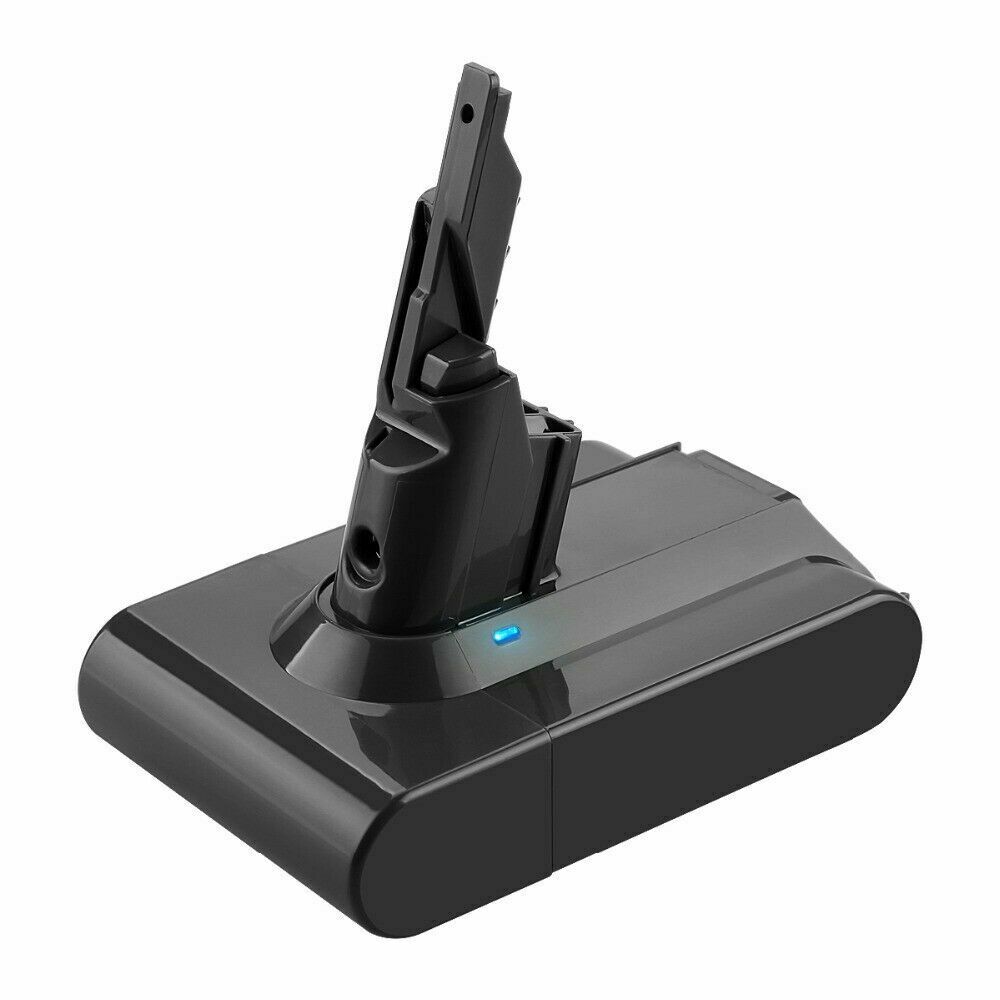
AU $70.99AU $50.79
In Stock (delivery 3–7 days)
Open the V7 pack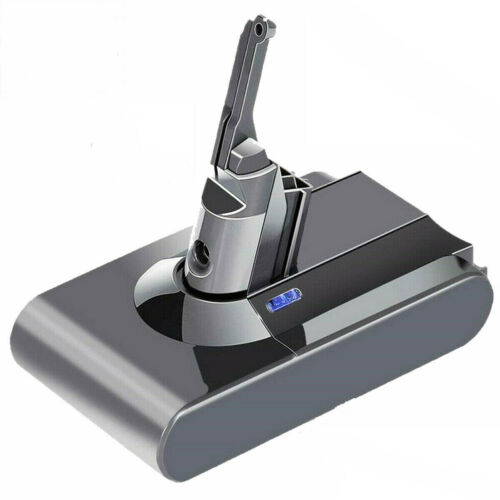
AU $70.99AU $52.79
In Stock (delivery 3–7 days)
V8 usage tips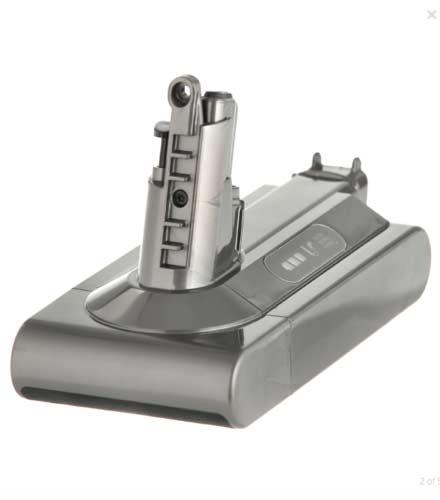
AU $98.99AU $75.79
In Stock (delivery 3–7 days)
V10 battery-life guide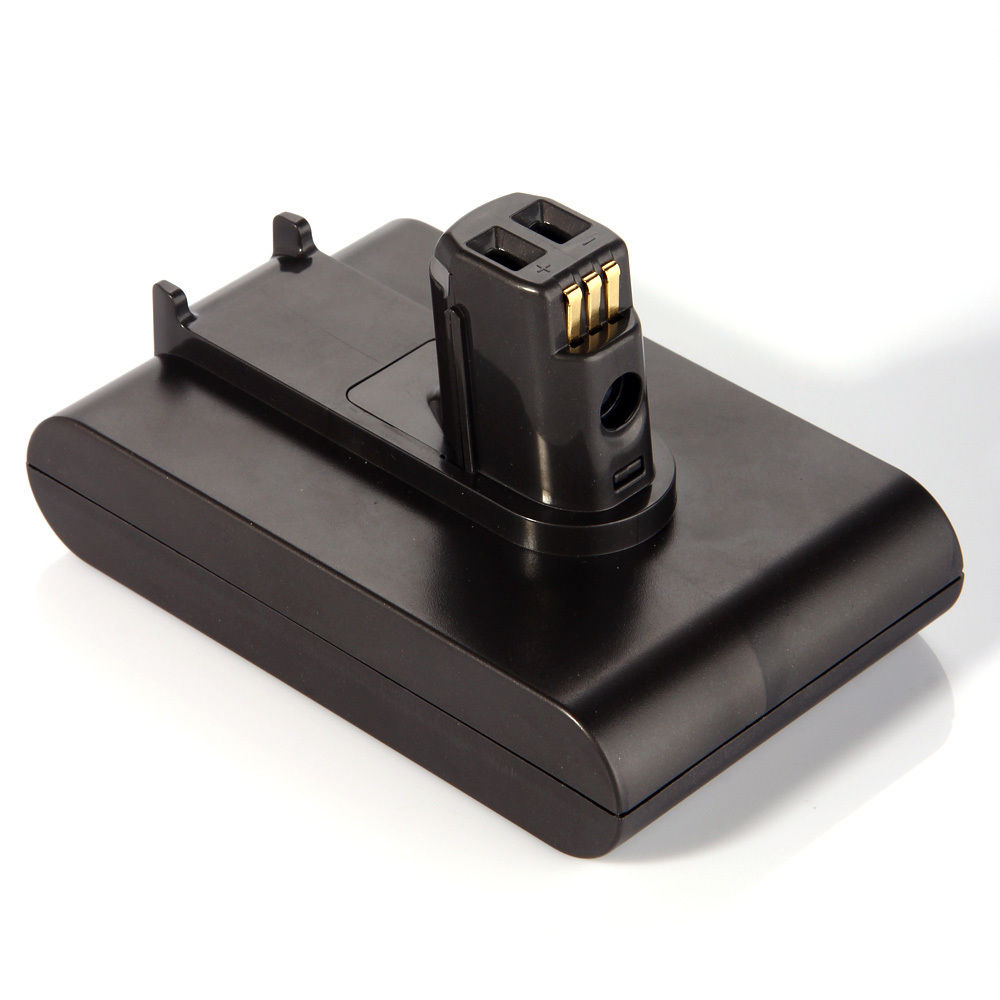
AU $65.99AU $39.79 Type A
In Stock (delivery 3–7 days)
DC31 maintenance tips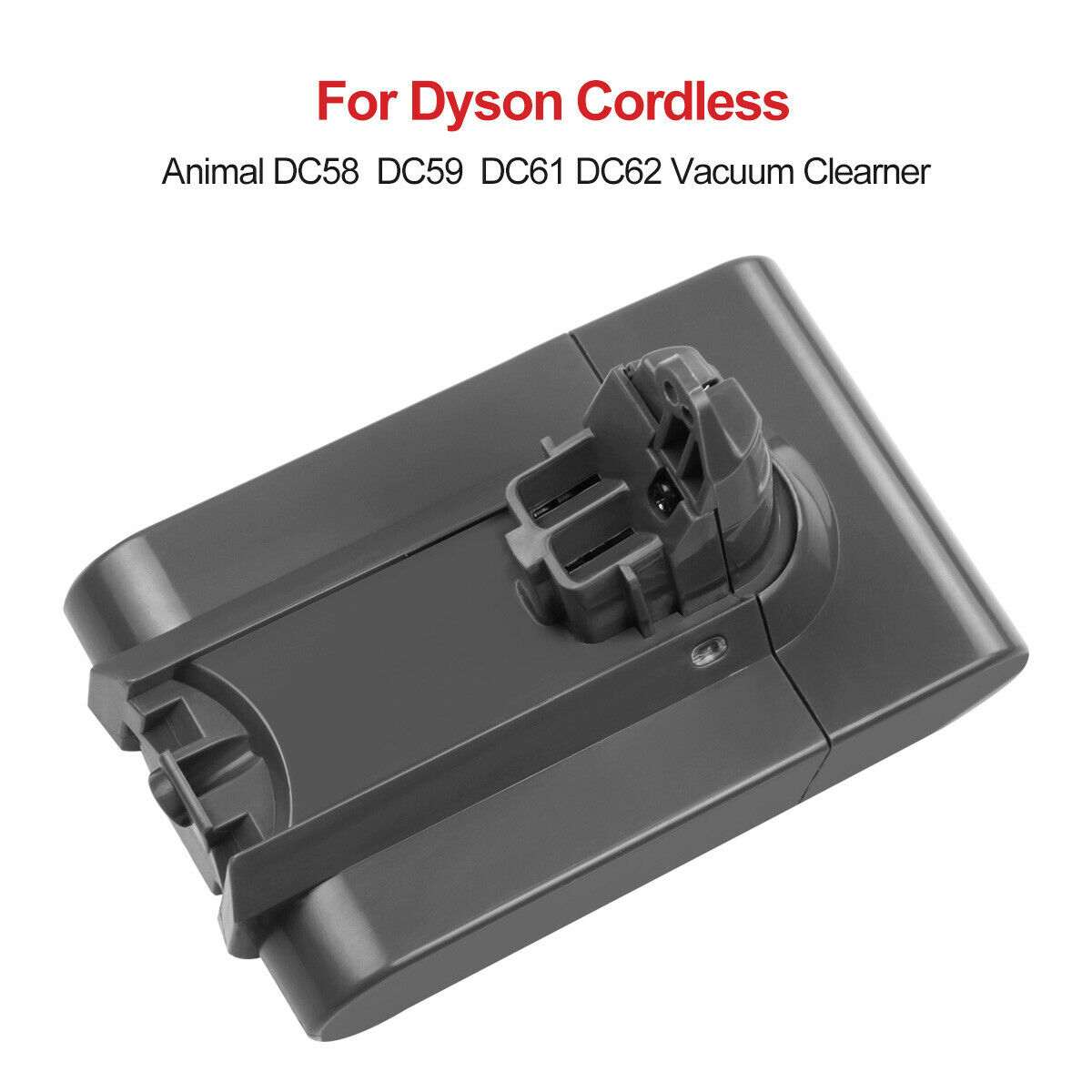
AU $67.99AU $45.79
In Stock (delivery 3–7 days)
Open the SV03 packOEM price footnote for any comparison you do yourself: Dyson Australia list prices shown on our comparison pages are for the corresponding genuine parts, checked on dyson.com.au on 31 October 2026. Dyson changes prices and availability — confirm before relying on a saving figure.
Lithium packs are rated for a few hundred full cycles before capacity drops noticeably, and calendar ageing runs in parallel whether you use the machine or not. Weekly household cleaning typically reaches that end-of-life band in a couple of years; hot storage, MAX-mode habits, running to zero and heavy dust bring it forward, while cool partial-charge storage pushes it back.
In between. Our V7 Animal listing states the rule we give every buyer: store at 40 to 50 percent charge in a 15 to 25 degree environment. A fully charged pack sitting in heat ages fastest, and a flat pack left for months can self-discharge into a state a charger will refuse to recover.
No. A cycle means using the pack's full capacity, so two half-drains count as roughly one cycle. Shallow top-ups are gentler than repeated run-to-empty cleaning, which is the habit that does the real damage.
Because aussiebatt.com publishes no minute figures for any battery, and inventing one would be a guess dressed up as a specification. We publish voltage, amp-hours and the watt-hour arithmetic that follows from them. Dyson's own mode runtimes are model-specific and published by Dyson, so check the figures for your exact model before treating any minute number as real.
Try the calibration sequence first: full charge, run to empty, uninterrupted full recharge. Gauge drift after many shallow top-ups is common and looks exactly like capacity loss. If the run time is still short against the machine's own history after calibration and a clean airway, the cells are the problem.
No. Capacity changes energy on board, not the motor - the 3.0 Ah slide-in build holds 64.8 Wh and the 4.0 Ah build on the same platform holds 86.4 Wh, so you get more cleaning per charge, not more suction per second. If suction has dropped, look at the filter, the bin, the cyclone and the airway.
Recycle it. Lithium packs should never go in the household bin; most Australian councils and large retailers run battery drop-off points. Do not puncture, crush or charge a damaged pack on the way there, and if it is swollen or hot, transport it outside the house on a non-flammable surface rather than storing it in a hot car boot.
Often, yes. Calendar ageing affects unused packs, and a machine that has sat in a cupboard or a rental since it was new can have a tired battery despite almost no cycles. Test behaviour rather than guessing from the odometer: charge fully, clean one room with the airway clear, and compare with what that model should do.
The eight-symptom checklist, including the swap test that proves the pack rather than the machine.
Run the checklistMode duty, filter hygiene and the habits that stretch a healthy pack between charges.
Read the runtime guideWhat Dyson's cover normally does when a third-party battery goes in, and what ours covers instead.
Read the warranty guideTell us the code on your label and the machine model and we will confirm which build - 3.0 Ah or 4.0 Ah - suits you, at what price, with the delivery window, on info@aussiebatt.com (Monday to Friday, 9am–4pm).