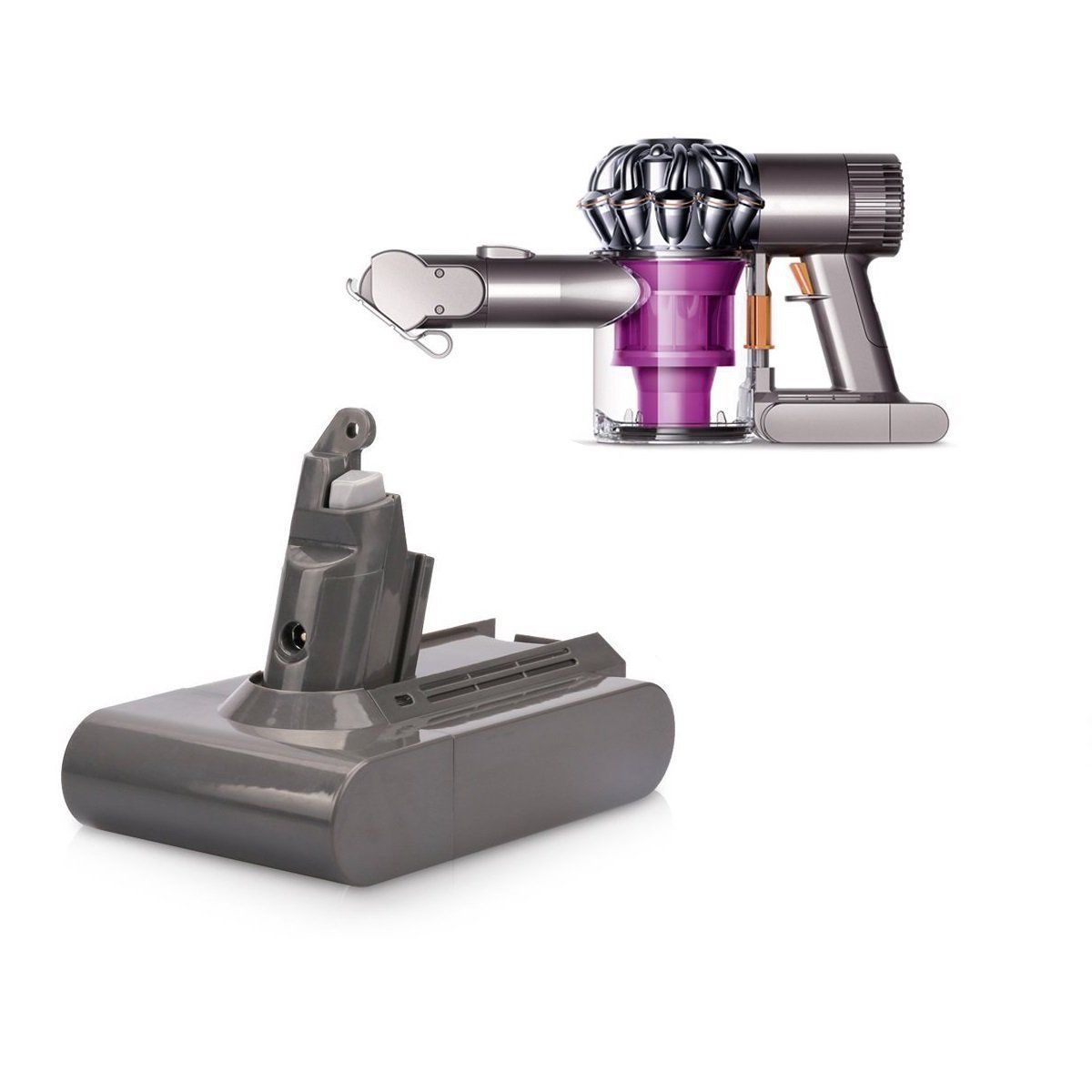
Dyson V6 battery dead? This is the 4.0 Ah replacement
AU $60.99AU $46.79
In Stock (delivery 3–7 days)
Open the V6 packFree Australia Post shipping on every Dyson vacuum battery · Sydney warehouse dispatch within 24 hours · 1 year warranty + 30 day money back
Updated October 2026
A Dyson that has lost its charge almost always gives warning first — but several of those warnings are not the battery at all. This is the honest checklist our support team works through on the phone: what each symptom means, the free way to confirm it, and what to order once you are sure. Work down the list before you spend anything, because a AU $50 pack will not fix a blocked filter.
We publish no run-time minutes on aussiebatt.com, so nothing below quotes a minute figure as a claim. Comparisons are against your own machine's history, which is the only honest baseline.
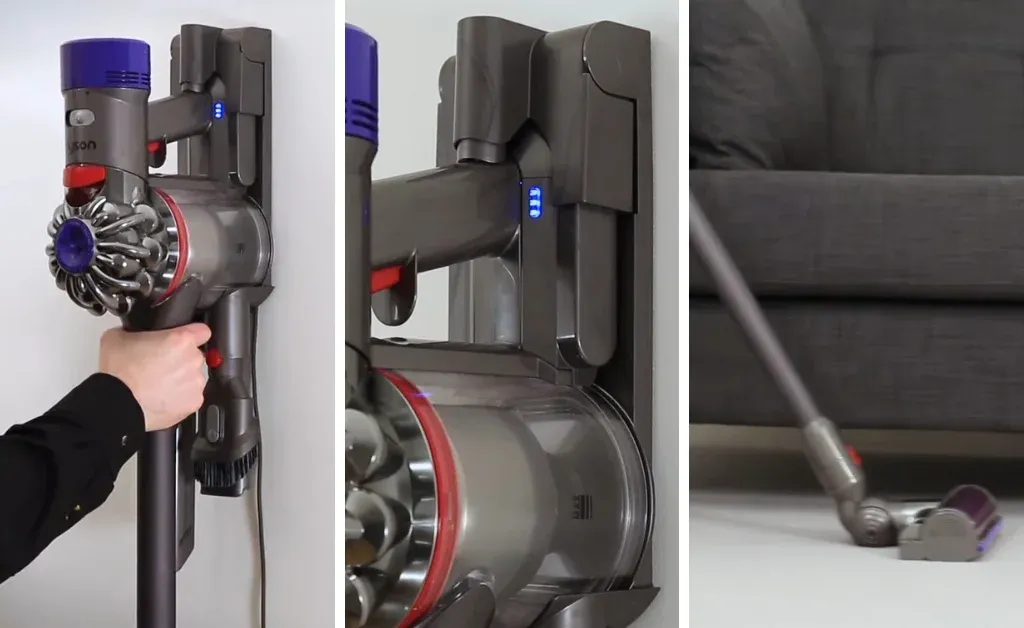
Blocked airflow and a worn cell feel identical: the machine struggles, runs briefly, then cuts out. The difference is that a blocked airway makes the machine overheat and shut down to protect the motor, and it costs nothing to fix. Wash and dry the pre-motor filter, empty the bin and clear the cyclone and airway, then let the machine cool for an hour and retest on a short clean.
Rule out the filter and the airway before you blame the battery. A packed-out filter or a blocked cyclone mimics battery failure almost perfectly — short run time, cut-outs, a machine that feels underpowered. If the run time is still short after a clean airway and a cooled machine, the pack moves to the top of the list.
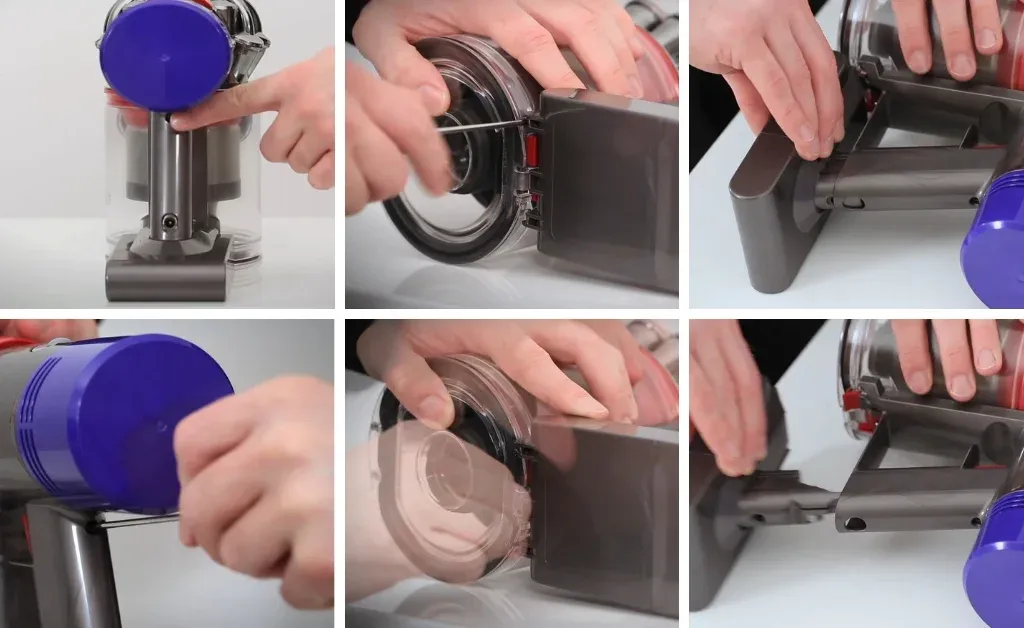
Each sign below follows the same three lines: what it means, how to confirm it for free, and what to order if the confirmation holds. You do not need to tick many of them — two or three together is usually conclusive.
What it means. Lithium packs do not fail abruptly; they lose capacity gradually as the cells age, so the
machine now stops on a charge that used to last the whole house. Your own history is the only baseline worth
quoting — Dyson publishes mode-by-mode run times per model, and no two floors are the same.
How to confirm cheaply. Charge fully on ECO, then clean one room and time the machine. Repeat the identical
clean on the same floor after a filter wash. If the number has fallen well below what this machine used to give
you, and the airway is clear, capacity loss is the explanation.
What to order. A pack in the same voltage platform — or the higher-capacity build on that platform, such as
the 4.0 Ah V6 replacement battery (21.6 V, 86.4 Wh) in place
of a 3.0 Ah shell.
What it means. MAX drives the motor at a much higher current than ECO. An aged pack has rising internal
resistance, so its voltage sags under that heavy load and the protection circuit cuts power long before the
charge is truly gone. This is one of the most characteristic wear symptoms there is.
How to confirm cheaply. Run a full clean on ECO and note the result, then try MAX on the same floor. If MAX
cuts out quickly while ECO still finishes, and the filter is clean, the pack can no longer hold voltage under
load.
What to order. The correct platform pack — a bigger-capacity build of another voltage will not fix a
load-sagging cell. See the guide to improving V7 run
time for the mode habits that stretch a healthy pack.
What it means. A healthy pack sitting on the dock holds its state of charge for weeks. Self-discharge
large enough to flatten a pack overnight points to an ageing cell or a protection board leaking current — the
machine may even feel warm when it is doing nothing.
How to confirm cheaply. Charge to full, switch the machine off, leave it off the charger overnight, and
check the gauge in the morning. Repeat twice. A pack that loses most of its charge in twelve hours without being
used is finished.
What to order. A replacement pack for your platform, plus a charger check — see the
21.6 V and 22.2 V charger listings if yours is original and
several years old.
What it means. Charging normally shows a visible state change on the pack or the plug. No change at all
usually means power is not getting into the pack: a failed charger, a damaged plug or pin, corroded contacts, or a
pack whose protection circuit has latched off. A charger fault looks exactly like a battery fault.
How to confirm cheaply. Try a known-good charger of the correct voltage on your machine; inspect the plug
pins and the socket for bent, green or burnt contacts; and test the wall socket with another appliance. Warm the
machine back to room temperature if it has been stored in a car or a shed — charging is normally restricted outside
a sensible temperature window, and our V10 listing publishes 0–45 °C charging and −20–60 °C
discharging.
What to order. Whatever the test eliminates. If the charger works and the contacts are clean, order the
pack; if the charger is dead, order the matching voltage-specific
charger and keep the pack.
What it means. This is not wear, it is a fault. Mild warmth after a long clean is normal; a pack that is
uncomfortably hot, smells acrid, shows discoloured or bulging plastic, or has a shell that no longer sits flat has
an internal problem.
How to confirm cheaply. Do not confirm it — stop. Look at the pack on a flat table, press the case gently
(do not puncture anything) and smell near the vents. Any of those three findings ends the diagnosis.
What to order. A replacement pack, and no further charging of the old one. Read the safety
block below before you do anything else.
What it means. A fall can crack a cell tab, loosen a connector, distort the shell or break the
communication path between the pack and the machine. Faults that begin the same hour as an impact are usually
impact faults.
How to confirm cheaply. Look for a cracked seam, a chipped corner, a dented face, a loose rattle inside the
case, or a connector with a bent pin. Re-seat the pack firmly and check the machine runs; if the fault persists and
the damage is visible, treat the pack as damaged rather than worn.
What to order. A new pack. Note honestly that our warranty does not extend to products that are physically
damaged or not under normal operating conditions as a result of misuse or improper installation, so drop damage on
a replacement is not a warranty claim — it is a new order.
What it means. Lithium-ion cells are rated for a few hundred full charge- discharge cycles before
capacity falls noticeably. A household machine cleaned twice a week uses those cycles up over a couple of years,
and heavy MAX-mode use uses them faster.
How to confirm cheaply. Count roughly, not precisely: charges per week multiplied by the number of years you
have owned the machine. A pack in the many hundreds of cycles that has been losing run time steadily is at the end
of its service life rather than defective.
What to order. The right platform pack from the Dyson battery
range; the lifespan guide in Australian
conditions explains what to change so the next pack lasts longer.
What it means. On the models where the pack comes out of the body and the machine runs from a dock or a
second pack, you get a real A/B test. If the machine behaves normally with a known-good pack of the same platform —
or if your pack behaves badly in somebody else's identical machine — the machine is fine and the battery is the
fault. This is the strongest evidence available without test gear.
How to confirm cheaply. Borrow or buy one correct pack, or fit your suspect pack into a friend's same-model
machine. Swap tests only work inside one voltage platform: a V6 pack cannot be used to test a V8.
What to order. Once the swap proves it, the pack for your platform. The
V7 4.0 Ah pack and the
V8 4.0 Ah pack are the two most common answers.
Read down the left column, do the middle check, and take the verdict on the right. Every "order" row points at a pack we actually stock at the price published on its own listing.
| Symptom | Most likely cause | Free check | Verdict | Order |
|---|---|---|---|---|
| Run time shorter than this machine used to give | Age-related capacity loss | Same room, same floor, same mode, twice | Replace the pack | Platform pack, from AU $45.79 |
| Machine struggles, feels weak, stops after minutes | Blocked filter or cyclone | Wash filter, clear airway, cool an hour | Not the battery | Nothing yet |
| Fine on ECO, cuts out on MAX | High internal resistance in an aged pack | Compare identical cleans on both modes | Replace the pack | V6 AU $46.79 · V7 AU $50.79 · V8 AU $52.79 |
| Flat by the next day although unused | Self-discharge or protection board fault | Full charge, sit off-charger overnight, twice | Replace the pack | Platform pack + check charger |
| Charge light never changes | Charger, plug, contacts or temperature lock-out | Known-good correct-voltage charger; inspect pins | Charger or pack | Charger page, then pack |
| Hot, burnt smell, discoloured or swollen case | Cell or pack fault | Do not — stop using it | Recycle, replace, never recharge | New pack only |
| Fault began on the day of a drop | Impact damage to cells, tab or connector | Cracks, dents, rattle, bent pin | Replace the pack | Platform pack (not a warranty item) |
| Machine runs normally with another pack | Confirmed battery, machine is healthy | Swap test inside one voltage platform | Replace the pack | V10 AU $75.79 · DC35 Type A AU $36.79 |
One row deliberately has no price: a machine that is hot, smoking or swollen is not a shopping decision, it is a safety one. Deal with the pack first, order second.
Everything above is a slow-failure conversation. These three are not conversations.
If the case is bulged, discoloured, split, hot to hold, or smells acrid: unplug the charger, switch the machine off, and do not charge it again. Do not puncture it, do not squeeze it flat, do not leave it in a hot car, and do not put it in the household bin. Move it outside or onto a hard non-flammable surface away from curtains and paper, and take it to an Australian household-battery recycling drop-off — most councils and large retailers run one. Order your replacement pack separately, and tell us what happened on info@aussiebatt.com so the right platform is confirmed before you buy.
A pack that was left out in the rain, picked up wet from a laundry floor, or stored in a leaky shed should be treated as damaged, not dirty. Corrosion on a connector will keep failing after the first symptom disappears. Drying it out does not restore the warranty status of a waterlogged pack, and charging one is how people damage the charger as well.
Every pack below is brand new with a full 1 year warranty and a 30 day money back window, ships free by Australia Post, and is 100 % compatible with your existing Dyson charger for that voltage. Orders are processed within 24 hours from Granville, Sydney, and most parcels arrive in 3–7 working days with tracking emailed to you.
AU $60.99AU $46.79
In Stock (delivery 3–7 days)
Open the V6 pack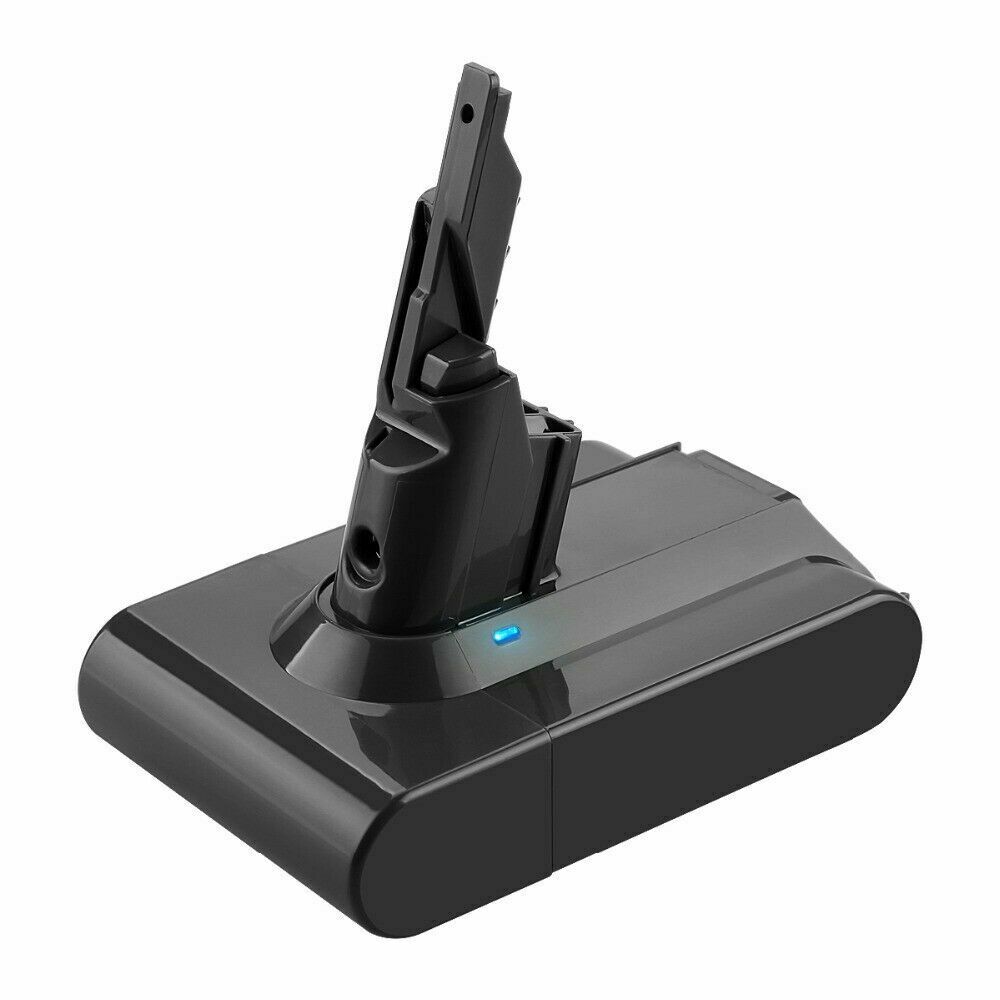
AU $70.99AU $50.79
In Stock (delivery 3–7 days)
Read the V7 diagnosis first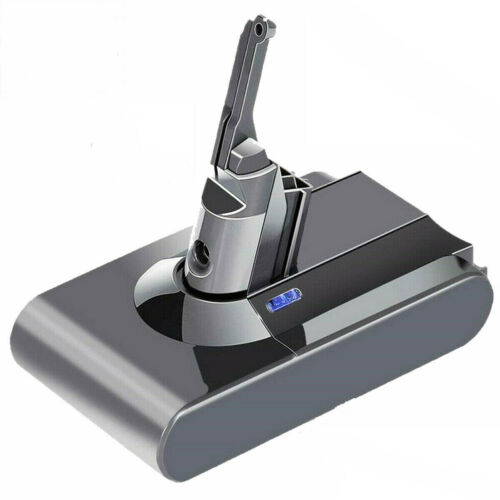
AU $70.99AU $52.79
In Stock (delivery 3–7 days)
Open the V8 pack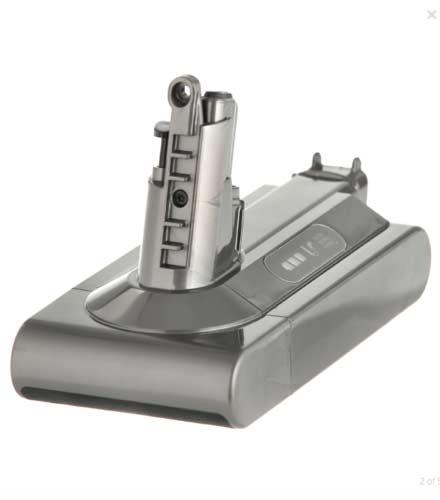
AU $98.99AU $75.79
In Stock (delivery 3–7 days)
Open the V10 pack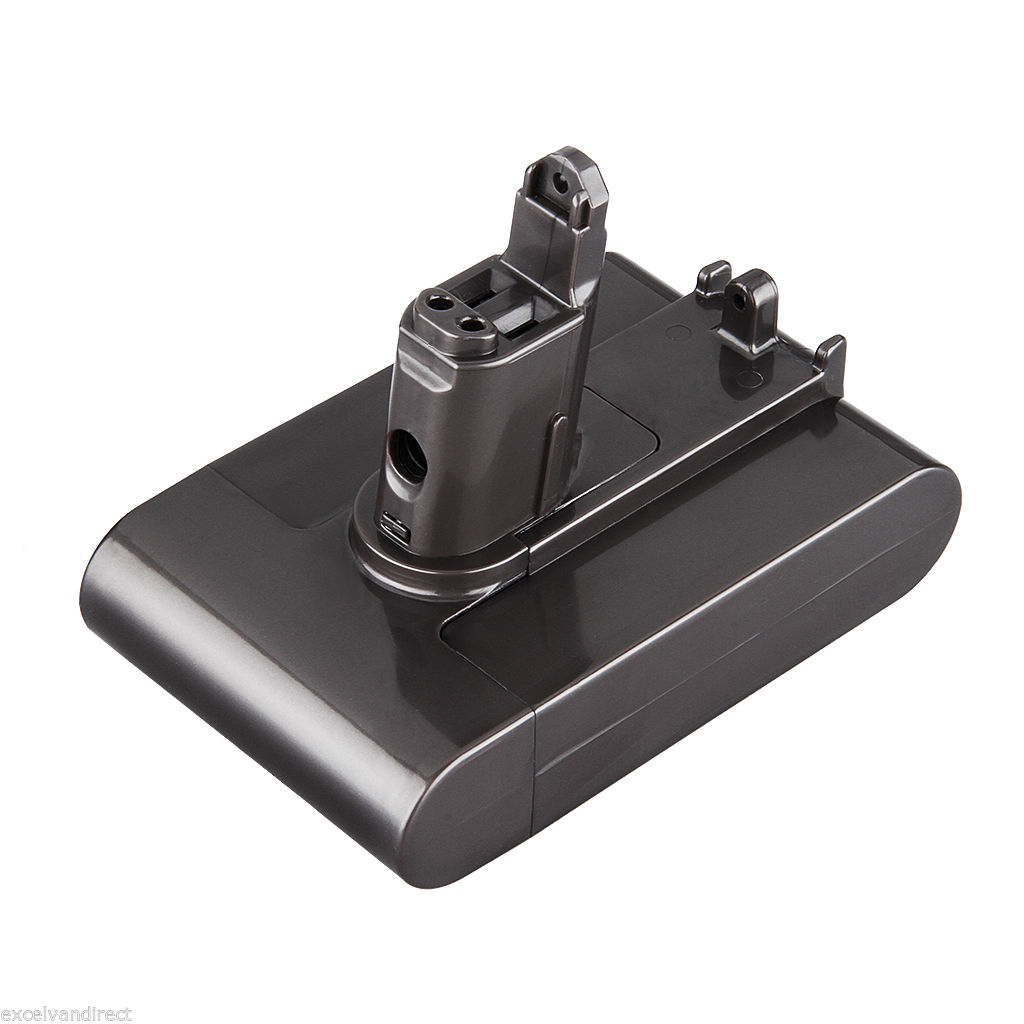
AU $60.99AU $36.79 Type A
In Stock (delivery 3–7 days)
DC35 won't charge guide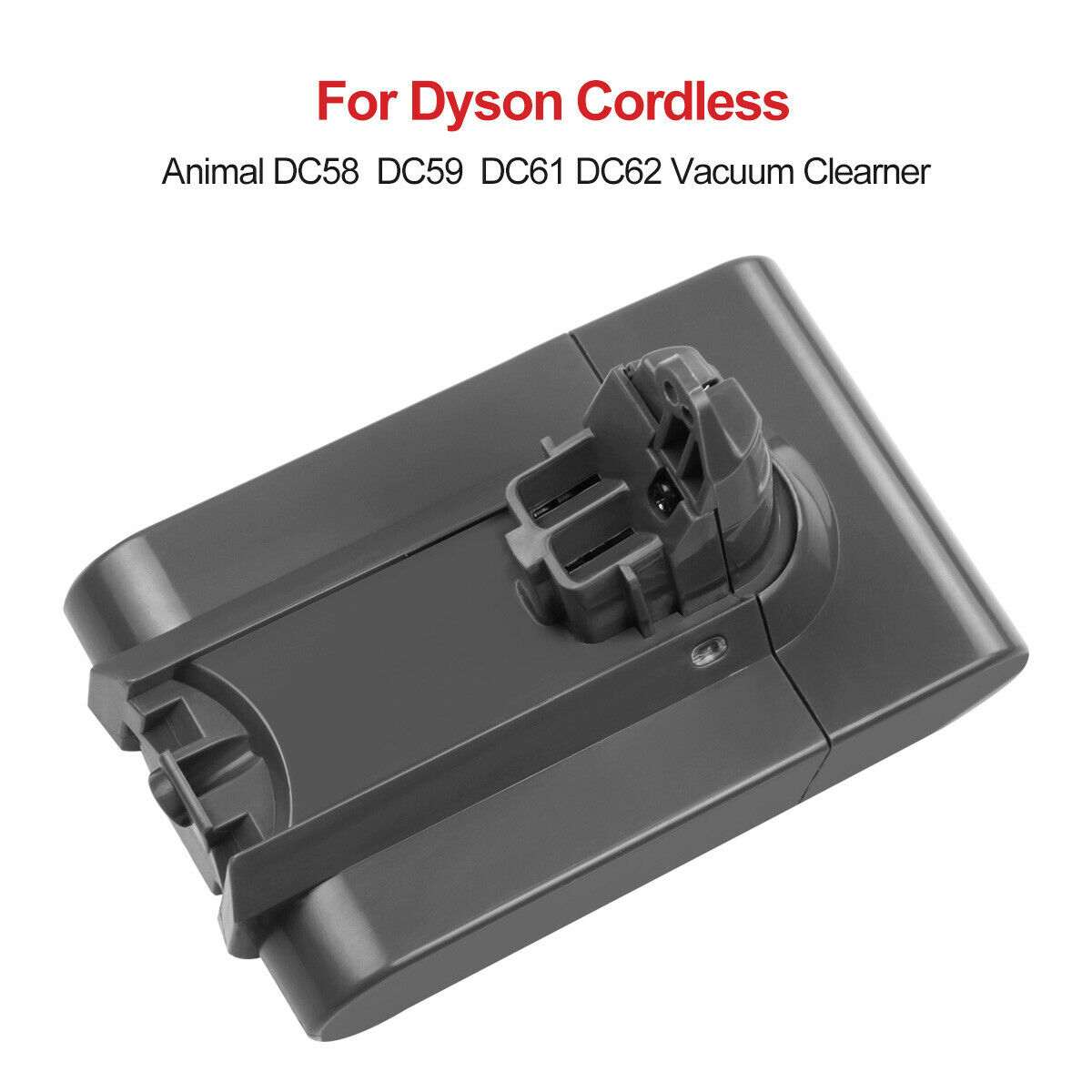
AU $67.99AU $45.79
In Stock (delivery 3–7 days)
Open the SV03 packPrices on this page are the "Now" figures published on the matching aussiebatt.com listings. Two documented disagreements on live pages are worth knowing about before you buy: the same 21.6 V 4.0 Ah screw shell is AU $50.79 on the V7 page and AU $79.49 on the SV11 listing, and the combined DC58/DC59 page is AU $45.79 while the individual DC58 and DC59 pages read AU $75.55. Ask us which price applies rather than guessing.
A flat pack takes a charge and gives normal run time afterwards. A dead one will not take a full charge, will not hold it overnight, or gives a run time far below its own history even after a filter wash and a clear airway. The swap test settles it: fit a known-good pack of the same platform and see whether the machine behaves properly.
Not necessarily. A blocked filter or cyclone makes the machine overheat and cut out to protect the motor, which feels exactly like a failing cell. Wash and dry the pre-motor filter, empty the bin, clear the airway, let the machine cool for an hour and retest before ordering anything.
MAX draws far more current than ECO. An aged pack has higher internal resistance, so its voltage sags under that heavy load and the protection circuit shuts the machine down while charge is still showing. If ECO still completes a normal clean but MAX does not, the pack is worn rather than the machine being faulty.
Test both cheaply. Try a known-good charger of the correct voltage, inspect the plug pins and socket for bent or corroded contacts, and confirm the wall socket works. A pack that has been stored cold or hot may also refuse to charge until it returns to room temperature. If the charger is proven good and the contacts are clean, the pack is the failure.
Yes. Swelling means gas inside the cells, and that is a fault rather than wear. Stop charging it, do not puncture or compress it, move it away from heat and soft furnishings, and take it to an Australian household-battery recycling drop-off. Order the replacement separately rather than fitting it to the damaged pack.
Lithium-ion packs are generally rated for a few hundred full cycles before capacity falls noticeably, and calendar ageing continues even if the machine is barely used. Weekly domestic cleaning plus a two-or-three-year-old machine usually puts a pack in that end-of-life band. Our lifespan guide for Australian conditions explains what moves the number in both directions.
It will restore the run time the machine was designed to give you, and on some platforms we list a higher-capacity build than the pack the machine shipped with - 21.6 V times 4.0 Ah is 86.4 Wh against 21.6 V times 3.0 Ah at 64.8 Wh. Suction, filtration and the motor are unaffected by the battery, so if those are tired, a new pack will not fix that.
Repairing a lithium pack at home is not a safe option. Replacing the pack costs AU $36.79 to AU $75.79 here, plus free shipping from Sydney. Replacing the machine throws away a working motor, wand and filtration system to fix one worn part, so unless the body itself is damaged, the pack is the sensible buy.
Heat, dust and MAX-mode habits in Australian conditions, and the storage rule that adds months of life.
Read the lifespan guideRelease, seat, secure, first charge — the three-step fitting routine for catch and screw packs.
Follow the fitting stepsWhat our own warranty covers, what it excludes, and what in-warranty owners should do first.
Check the warranty pageSend the code printed on your battery to info@aussiebatt.com (Monday to Friday, 9am–4pm) and we will name the matching pack, its price and the delivery window before you order. Wrong fit? 30 day money back applies.